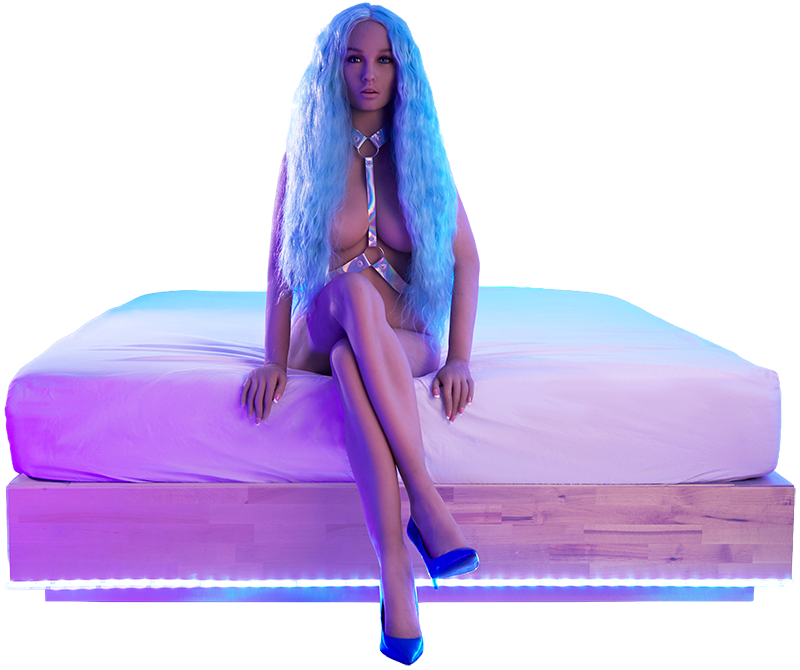
The article „Who Queered the Sex Robot? Notes on Attribution and Conceptual History“ by Oliver Bendel, published in Philosophy & Technology on June 10, 2026, is now available Open Access and can be read and downloaded free of charge. An article titled „Queering Sex Robots Beyond Diversifying Design? Insights from Queer Lacanian Psychoanalysis and New Materialism“ by Maaike van der Horst and Anna Puzio was published in the journal Philosophy & Technology in March 2026. Surprisingly, it does not reference several works that are highly relevant to the topic, including publications by Tanja Kubes and Oliver Bendel. As a result, some of the article’s claims to originality appear less convincing than they might otherwise have been. Following an exchange with one of the journal’s editors, Luciano Floridi, Oliver Bendel therefore submitted a commentary, which was published in Philosophy & Technology on June 10, 2026. From the abstract: „This commentary discusses Maaike van der Horst and Anna Puzio’s article ‚Queering Sex Robots Beyond Diversifying Design? Insights from Queer Lacanian Psychoanalysis and New Materialism‘. While acknowledging the article’s valuable contribution, particularly its integration of Queer Lacanian Psychoanalysis and New Materialism, the commentary argues that its account of prior scholarship is incomplete. Several key themes and proposals presented as novel – including critiques of humanoid mimicry, new-materialist approaches to sexuality and technology, queer design concepts, relational ontology, and transformative sex robot forms – had already been developed in earlier work by Tanja Kubes and Oliver Bendel. The omission of these contributions affects assessments of originality, the reconstruction of the field’s intellectual development, and the allocation of scholarly credit. The commentary therefore calls for a more comprehensive scholarly genealogy of queer and new-materialist approaches to sex robots and argues that careful citation practices are essential to maintaining the integrity of academic discourse.“ The article „Who Queered the Sex Robot? Notes on Attribution and Conceptual History“ can be accessed at link.springer.com/article/10.1007/s13347-026-01123-3.
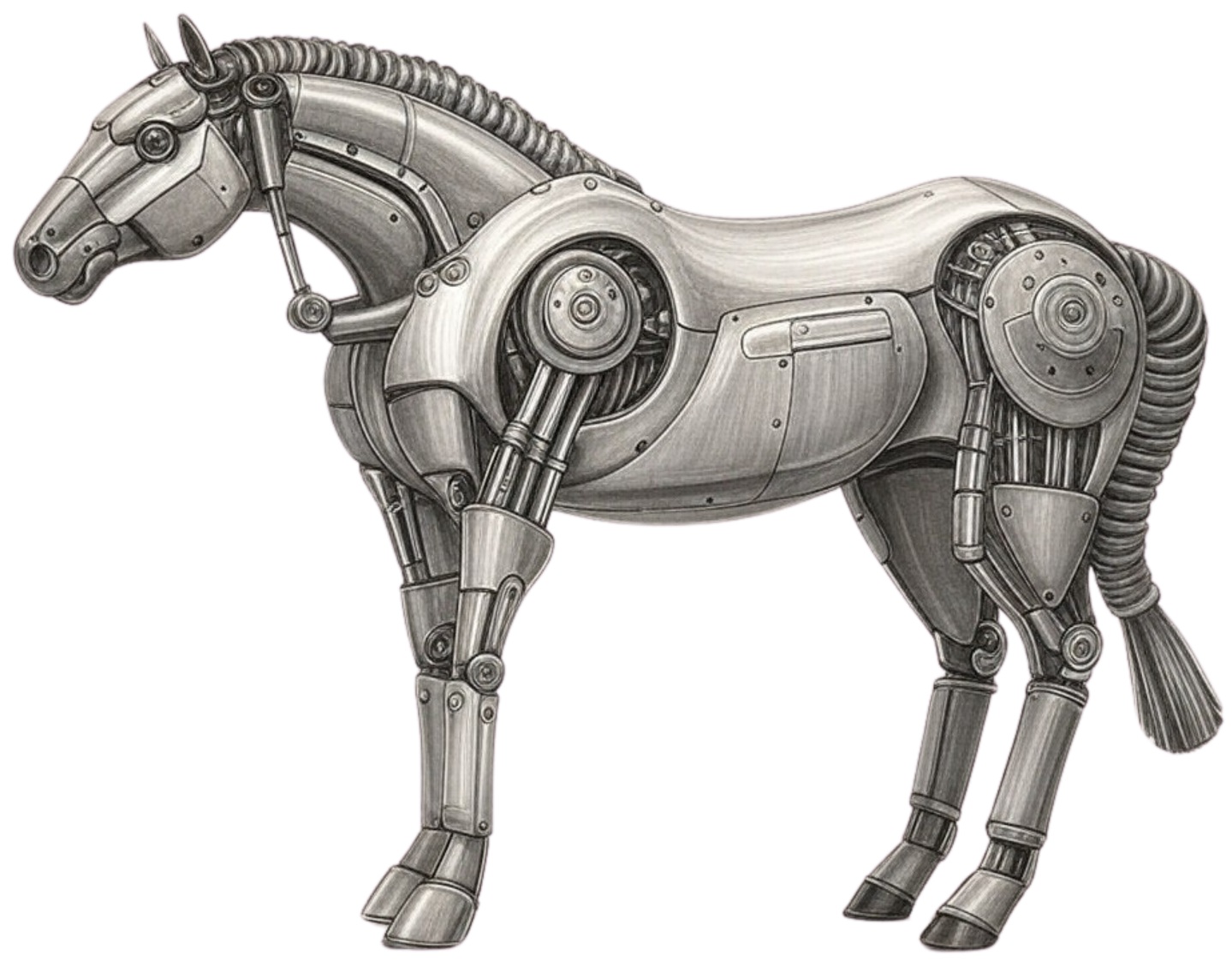
Aristoteles betonte in seiner „Politik“ (ca. zwischen 335 und 322 v.u.Z.) das Potenzial des Werkzeugs, zum Automaten zu werden: „Wenn nämlich jedes einzelne Werkzeug auf einen Befehl hin, oder einen solchen schon voraus ahnend, seine Aufgabe erfüllen könnte, (…) wenn also auch das Weberschiffchen so webte und das Plektron die Kithara schlüge, dann bedürften weder die Baumeister der Gehilfen, noch die Herren der Sklaven.“ Diese Überlegung war keineswegs der Fantasie entsprungen. Schon in der griechischen Antike gab es Ansätze zur Automatisierung. Philon von Byzanz beschrieb im 3. Jahrhundert v.u.Z. eine mechanische Dienerin, die einem Gast selbständig Wein und Wasser einschenken konnte, Heron von Alexandria im 1. Jahrhundert n.u.Z. kleine Tempeltüren, die sich durch die Wärme eines Altarfeuers automatisch öffneten, und ein mechanisches Theater, dessen Figuren nach einem vorgegebenen Programm agierten. Vermutlich wurden mehrere Erfindungen tatsächlich umgesetzt. Die Ingenieure der Antike beherrschten also Zahnräder, Ventile, Hydraulik, Pneumatik und mechanische Steuerungen. Warum aber eroberten ihre Automaten nicht die Welt? Es fehlte weniger an Erfindungsgeist als an leistungsfähigen Energiequellen, präziser Massenfertigung und wirtschaftlichen Anreizen, menschliche Arbeit systematisch durch Maschinen zu ersetzen. Die Verfügbarkeit von Sklaven dürfte dabei eine Rolle gespielt haben, erklärt die ausbleibende Mechanisierung aber nicht allein. Im 18. Jahrhundert hatte die Automatenkunst mit mechanischen Musikern, Schreibern und Zeichnern sowie künstlichen Tieren – man denke an die Ente von Jacques de Vaucanson, der noch zahlreiche Mitglieder dieser Art folgten – einen neuen Höhepunkt, wobei bereits im 15. Jahrhundert Leonardo da Vinci eindrucksvolle Anleitungen vorgelegt hatte. Im späten 19. Jahrhundert erlebten mechanische Automaten der schöngeistigen Art eine weitere Blüte. Auf Jahrmärkten spielten selbsttätige Orgeln, begleitet von beweglichen Figuren, die Musikinstrumente zu bedienen schienen. Die industrielle Mechanisierung hatte bereits im 18. Jahrhundert begonnen, die Elektrifizierung der Produktion im 19. Jahrhundert. Doch erst im 20. Jahrhundert, mit Elektrizität, Elektronik und Computertechnik, trat eine grundlegende Wende ein. Die antike Idee der automatischen Verrichtung begann nun die moderne Arbeitswelt in jeder Hinsicht zu verändern.
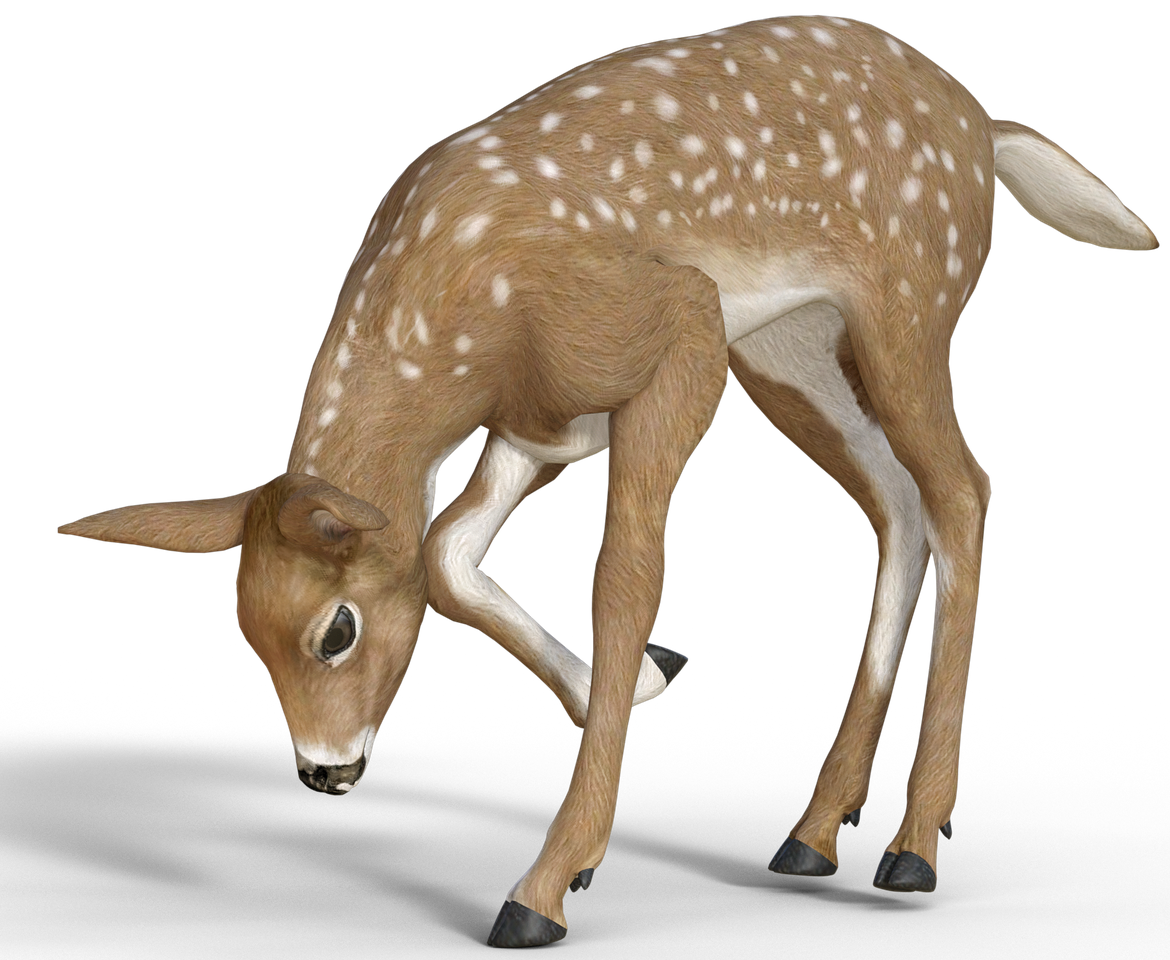
The thirteenth edition of the Animal-Computer Interaction International Conference (ACI 2026) will take place from December 2 to 5, 2026, at the FHNW Campus Brugg-Windisch in Switzerland. Hosted by the University of Applied Sciences and Arts Northwestern Switzerland (FHNW), with Prof. Dr. Oliver Bendel serving as General Chair, the conference will be the first ACI conference held in continental Europe. One of this year’s highlights will be the participation of Rehkitzrettung Schweiz, which will present its work in a talk and a live demonstration. Rehkitzrettung Schweiz has saved many thousands of young deer from injury and death across Switzerland. The organization uses drones equipped with thermal imaging cameras to locate fawns hidden in meadows before agricultural mowing takes place. Since young deer often remain motionless when danger approaches, they are particularly vulnerable to mowing machinery. Drone-based detection makes it possible to find and rescue them in time. At ACI 2026, Rehkitzrettung Schweiz will give a presentation in the FutureHub (Forumsraum), providing insights into its activities and the technologies involved. In addition, participants will have the opportunity to experience a live demonstration on the meadow near the Hallerbau, where a drone equipped with a thermal imaging camera will search for an artificial fawn. The demonstration will illustrate how this technology works in practice and how it contributes to animal welfare. The organization’s activities are an excellent example of Animal-Machine Interaction, one of the main focuses of ACI 2026. They show how humans and machines can work together to protect animals, even when the animals themselves do not interact directly with the technology. The example also raises important questions about the responsible use of drones, sensors, and autonomous systems in environments shared by humans and animals. Further information on registration, the program, workshops, and participation is available on the ACI 2026 website.
Ein Rückblick auf die VDI-Zukunftskonferenz „Humanoide Roboter 2016“ zeigt, wie sich das Verständnis humanoider Robotik innerhalb von zehn Jahren verändert hat. Die Veranstaltung fand am 13. und 14. Dezember 2016 in Aschheim bei München statt. Konferenzleiter war Prof. Dr. Frank Kirchner vom Deutschen Forschungszentrum für Künstliche Intelligenz (DFKI). Im Mittelpunkt standen Maschinen, die dem Menschen in ihrem Aussehen, ihrem Aufbau oder ihrem Verhalten nachempfunden sind. Das Programm belegt dieses breite Verständnis eindrücklich. Behandelt wurden u.a. dynamisches zweibeiniges Laufen nach menschlichem Vorbild, Taktilsensorik für anthropomorphe Roboterhände, emotionsbasierte Mensch-Roboter-Interaktion und der anthropomorphe Roboterkopf Flobi. Auch der hominide Roboter Charlie, der sich an der Morphologie von Schimpansen orientierte, wurde vorgestellt. Weitere Beiträge beschäftigten sich mit humanoiden Robotern als Trainern für industrielle Montageprozesse und als Avataren für Rettungskräfte. Mit seinem Vortrag „Der LÜGENBOT als Umsetzung einer Münchhausen-Maschine“ brachte Prof. Dr. Oliver Bendel zudem die Maschinenethik ins Spiel, angewandt auf Chatbots. Insgesamt verdeutlicht das Programm, dass humanoide Robotik damals nicht auf bestimmte Einsatzgebiete oder universelle Fähigkeiten reduziert wurde. Entscheidend war vielmehr die Orientierung am Menschen, an seiner Gestalt, seiner Bewegung, seiner Wahrnehmung und seiner Interaktion. Heute wird der Begriff des humanoiden Roboters häufig im Zusammenhang mit Allzweckrobotern (General-Purpose Robots) verwendet, die möglichst viele unterschiedliche Aufgaben übernehmen sollen, vor allem in Industrie, Logistik und Haushalt. Damit verschiebt und verengt sich die Bedeutung: Die menschenähnliche Gestalt wird zunehmend als Mittel zur universellen Einsetzbarkeit verstanden, während die Nachbildung menschlichen Verhaltens und menschlicher Ausdrucksformen in den Hintergrund tritt. Der Rückblick auf die VDI-Zukunftskonferenz von 2016 erinnert daran, dass humanoide Robotik ein wesentlich breiteres Forschungs- und Entwicklungsfeld ist, als es die gegenwärtige Diskussion um Allzweckroboter vermuten lässt.
Können Roboter und KI-Systeme kreativ sein? Seit dem Aufkommen generativer KI wird diese Frage intensiv diskutiert. Dabei geht es nicht nur darum, ob Maschinen Bilder, Texte oder Musik hervorbringen können. Es geht auch darum, was wir überhaupt unter Kreativität und Kunst verstehen und ob diese notwendig an Menschen gebunden ist. Die Biennale Arte 2026 hätte ein hervorragender Ort sein können, um sich in diese Diskussion einzumischen. Tatsächlich geschieht dies nur vereinzelt. Im chinesischen Pavillon schreibt der humanoide Roboter Astribot S1 im Stile des Kalligrafiemeisters Wang Dongling. Die Besucher können die Kunstwerke, wenn es welche sind, mit nach Hause nehmen. Zhang Zhoujie wiederum lässt Computer auf der Grundlage vorgegebener Regeln Formen für seine „digital chairs“ entwickeln. Der Designer versucht dabei, möglichst wenig Kontrolle auszuüben und dem Computer einen eigenen Gestaltungsspielraum zu überlassen. Im Venedig-Pavillon übersetzt „Echo/SommersiVo“ Erinnerungen und Eindrücke der Besucher mit Hilfe künstlicher Intelligenz in eine sich ständig verändernde Klang- und Bildwelt. Die Beteiligten sprechen ausdrücklich von einer Zusammenarbeit zwischen Mensch und KI im kreativen Prozess. Das sind interessante Ansätze, die jedoch Ausnahmen bleiben. Ausgerechnet zu einer Zeit, in der generative KI unser Verständnis von Urheberschaft, Originalität und Kreativität herausfordert, macht die wichtigste internationale Ausstellung zeitgenössischer Kunst diese Entwicklung kaum zum Gegenstand. Die Biennale Arte 2026 hätte die Frage, ob Maschinen kreativ sein können, nicht beantworten müssen. Aber sie hätte sie stellen sollen.
In einem Artikel vom 1. Oktober 2026 berichtete Heise über eine spektakuläre Aktion des US-amerikanischen Robotikunternehmens Figure: Ausgemusterte Allzweckroboter des Typs Figure 02 wurden in einem Lichtbogenofen eingeschmolzen – sie wurden hineinmanövriert oder sprangen selbst hinein. In Zürich, wo der Technikphilosoph Oliver Bendel wohnt, verbrennt man jedes Jahr beim Sechseläuten den Böögg auf einem Scheiterhaufen, eine große, schneemannähnliche Figur aus Watte und Holzwolle. Manchen wird dabei mulmig zumute, denn man zerstört eine Abbildung des Menschen auf eine Weise, die für Menschen besonders schmerzvoll und grausam ist. Das Unternehmen hat nun Bilder geschaffen, die in gewisser Weise daran erinnern. Es verfolgte das Ziel, die Generation Figure 02 durch Figure 03 zu ersetzen, und wollte die alten Roboter nicht aufwendig weiterbetreiben oder auseinanderbauen. Zugleich sollten angeblich geschützte Spezialkomponenten zuverlässig vernichtet werden. In einer finnischen Gießerei wurden die Maschinen deshalb in einem 75-Tonnen-Lichtbogenofen versenkt. Daraus machte Figure mit enormem Aufwand eine filmische Inszenierung. Arnold Schwarzenegger persönlich lässt einen Figure 02 an einer Kette in den Ofen fahren, als deutliche Anspielung auf das Ende des T-800 in „Terminator 2“. Selbst der berühmte erhobene Daumen wird nochmals gezeigt, und der Schauspieler sagt nach vollbrachter Tat „Hasta la vista, Figure 02“ ins Mikrofon – aus dem Baby wird ein Robo – und grinst in die Kamera. Das Zerstören von Figure 02 in der Metallschmelze dürfte laut Oliver Bendel bei manchen Zuschauern ähnliche Gefühle auslösen wie das Verbrennen des Böögg auf dem Scheiterhaufen. Zwar handelt es sich um Maschinen, die nicht empfinden und leiden können. Doch gerade weil humanoide Roboter den menschlichen Kopf und Körper nachbilden und sich menschenähnlich bewegen, kann ihre demonstrative Vernichtung irritieren. Es sind letztlich faszinierende, aber schreckliche Bilder.
Im September 2026 ist der Buchbeitrag „Die Vision des universellen Roboters“ von Oliver Bendel als Teil des Herausgeberbands „Mensch – Maschine revisited: Roboter und KI-Systeme im öffentlichen Raum“ (Petra Grimm; Kai Erik Trost; Oliver Zöllner) erschienen. Er geht zurück auf einen Vortrag, den er bei der Tagung IDEepolis am 19. Juni 2024 in Stuttgart unter dem Titel „Es wird ein Mensch gemacht: Die Vision des universellen Roboters“ hielt. Es wird eine Maschine entworfen, die fast jede Tätigkeit des Menschen zu übernehmen vermag, in der Fabrik, im Haushalt und beim Sport. Heutige Allzweckroboter können als Vorläufer verstanden werden, also humanoid gestaltete Roboter wie Apollo, Figure 03, Atlas und Optimus. Obwohl es eine Maschine ist, die auch über ein simuliertes Bewusstsein, künstliche Intelligenz und künstliche Moral verfügt, bleiben ihr viele Möglichkeiten verwehrt. Insofern ist der Ausruf Wagners, der im Titel zitiert wird, nach wie vor eine Utopie. Im Kurztext auf der Website des Franz Steiner Verlags heißt es zum Buch: „Künstliche Intelligenz und Robotik sind längst Teil der Alltagswelt. Doch was bedeutet ihr Siegeszug für das Selbstverständnis des Menschen, für soziale Praktiken und für ethische Orientierungen?“ Weitere Informationen über www.steiner-verlag.de/Mensch-Maschine-revisited/9783515141567.
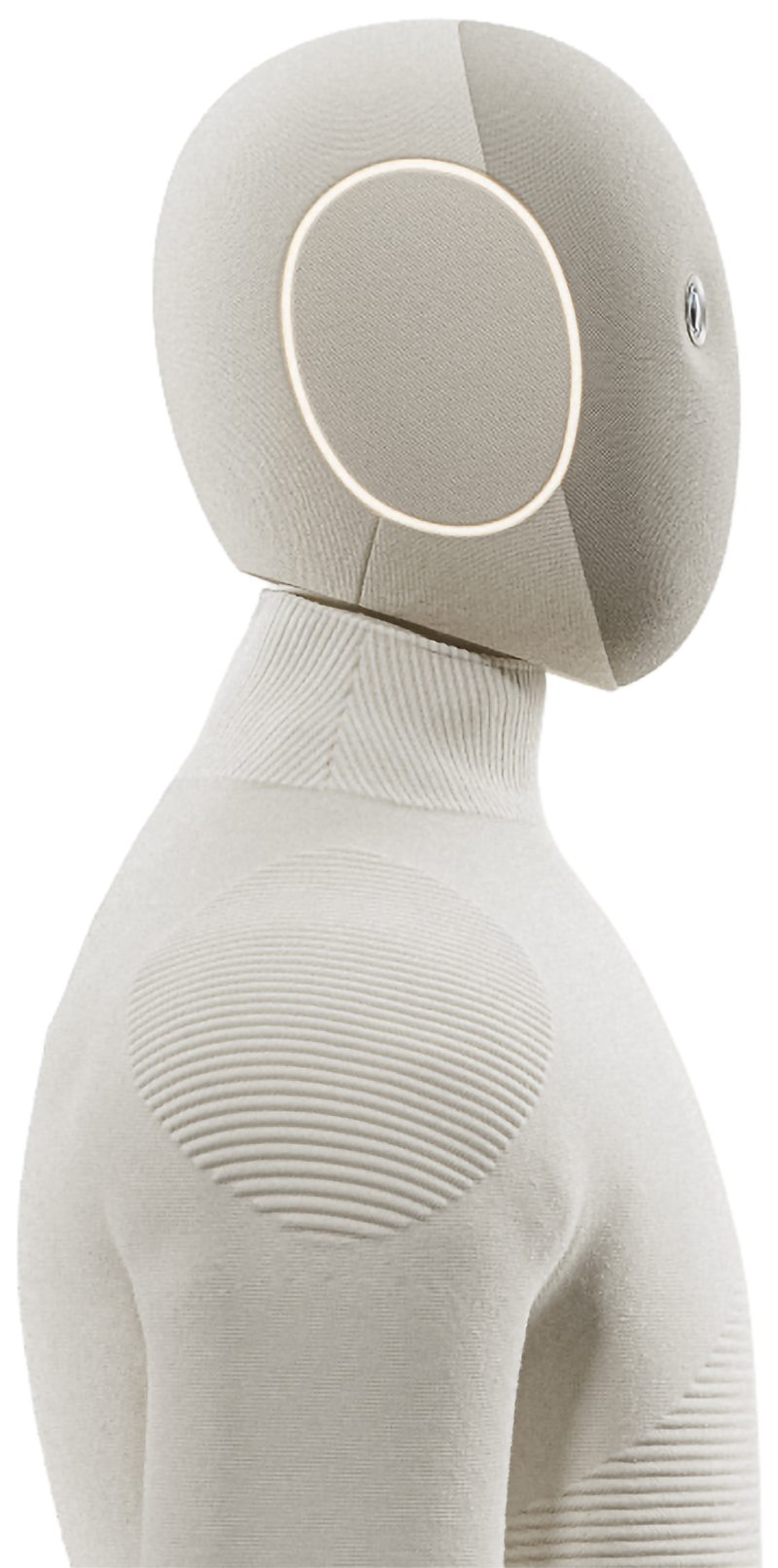
Abb.: Der Allzweckroboter NEO (Foto: 1X/Courtesy of 1X)
Das Coffee-Table-Buch „RE:VIEW – Wozu die Menschheit retten?“ ist am 14. September 2026 erschienen. „Während die ESA-Raumsonde HERA im All Daten für die planetare Verteidigung sammelt, richtet sich ihr Blick mit diesem Buchprojekt zurück auf die Erde: Was ist der Mensch, was zerstört er, was erschafft er – und verdient er eine Zukunft? Planetare Abwehr – eine globale Herausforderung mit wenig Sichtbarkeit. Der erste Teil des Buches liefert die Hintergründe und die Geschichte der ersten sprechenden Raumsonde, die gegen alle Widerstände ins All startete. Die zentrale Frage, die Hera auf ihrer Mission beantworten soll: Können der Erde gefährlich nahekommende Weltraumkörper durch gezielte Sondeneinschläge von ihrem Kollisionskurs mit unserem Heimatplanenten abgelenkt werden? Collagierte Illustrationen und Fotografien verbinden Fakten mit Emotionen und machen Wissenschaft erlebbar.“ (Informationstext des Verlags) „Im Anschluss entsteht aus der Perspektive von HERA ein vielstimmiges Porträt unserer Spezies mit Beiträgen und Gesprächen des KI-Companions mit besonderen Persönlichkeiten aus Wissenschaft, Kunst, Kultur und Gesellschaft.“ (Informationstext des Verlags) Mit dabei sind unter anderem der Queen-Musiker und Astrophysiker Brian May, der ehemalige kanadische Astronaut Chris Hadfield, die erste Weltraumtouristin Anousheh Ansari, der „Interstellar“-Visionär Paul Franklin, die PETA-Gründerin Ingrid Newkirk, der Ex-Gitarrist von Guns N‘ Roses Ron „Bumblefoot“ Thal, der Science-Fiction-Autor Andreas Eschbach, der Künstler Jonathan Meese und der Technikphilosoph und Maschinenethiker Oliver Bendel, der 2025 das Buch „300 Keywords Weltraum“ veröffentlicht hat. „So wird aus einer Mission ein visuell kraftvolles Buchobjekt über Menschheit, Technik, Verantwortung und Hoffnung.“ (Informationstext des Verlags) Das Buch mit seinen 400 Seiten und zahlreichen Bildern ist im Buchhandel verfügbar.
Enten waren immer wieder Vorbild für animaloide Automaten und Roboter, insbesondere in Frankreich und Japan. Das europäische Land ist eigentlich für seinen grausamen Umgang mit diesen Tieren bekannt, scheint ihnen aber auch freundlich gesonnen zu sein. Berühmt wurde die mechanische Ente von Jacques de Vaucanson aus dem Jahre 1738/1739. 1709 in Grenoble geboren, starb der begnadete Ingenieur 1782 in Paris. Pollen Robotics hat seinen Sitz in Bordeaux. Das Unternehmen gehört inzwischen zu Hugging Face mit Sitz in Manhattan. Mit Microduck hat es einen kompakten Roboter vorgelegt, der als Experimentierplattform für Physical AI und Reinforcement Learning entwickelt wurde. Mit einer Höhe von rund 25 Zentimetern und einem Gewicht von weniger als 800 Gramm ist er vergleichsweise klein. Zur Ausstattung gehören 15 Motoren, eine Kamera, ein LiDAR-Sensor, zwei IMUs (Sensoren, die Beschleunigungen und Drehbewegungen messen), Mikrofone und Lautsprecher. Ein beweglicher Schnabel ermöglicht es der kleinen Ente zudem, kleine Gegenstände zu greifen. Sie kann laufen, sitzen, aufstehen, Gegenstände aufnehmen und verschiedene Bewegungsabläufe ausführen. Auch auf Inline-Skates, die man dazu bestellen kann, kann sie dahingleiten. Nach einem Sturz vermag sie sich aus unterschiedlichen Positionen selbstständig wieder aufzurichten. Im Mittelpunkt steht jedoch weniger die Nutzung als klassisches Roboterspielzeug als vielmehr das Experimentieren mit einem lernenden KI-System. Bewegungen und Verhaltensweisen können zunächst in einer Simulation trainiert und anschließend auf den realen Roboter übertragen werden. Dieses sogenannte Sim-to-Real-Verfahren ermöglicht praktische Experimente mit Reinforcement Learning und Robotik. SDK, Simulation und Software für Reinforcement Learning stellt Pollen Robotics als Open Source zur Verfügung. Microduck verbindet damit eine vergleichsweise zugängliche Hardwareplattform mit aktuellen Methoden der KI- und Robotikforschung. Weitere Informationen sind über pollen-robotics.com verfügbar.
Seit 2016 sind fünf „Keywords“-Bände von Oliver Bendel bei Springer Gabler erschienen, dazu ein weiterer, der gemeinsam mit Kollegen verfasst wurde, und zwei Neuauflagen. Am 2. September 2026 wurde der Vertrag für das – je nach Zählweise – sechste oder neunte Lexikon dieser Art geschlossen. Bis 2016 waren die „Keywords“-Bände ausschließlich vom Verlag selbst zusammengestellt worden, was auch später noch das übliche Verfahren war. Sie speisten sich aus Beiträgen, die im Gabler Wirtschaftslexikon veröffentlicht worden waren. Beispiele sind „222 Keywords Wirtschaftsgeografie“ oder „333 Keywords Arbeitsrecht“. Oliver Bendel führte seine eigenen „Keywords“-Bände ein, die aus seinen im Gabler Wirtschaftslexikon veröffentlichten Beiträgen und von ihm neu geschriebenen Texten bestanden. Es wurden Themen wie „Informationsethik“, „Digitalisierung“, „Soziale Robotik“, „Generative KI“ und „Weltraum“ abgedeckt. Der sechste Band wird den Titel „400 Keywords Robotik: Roboter aus technischer, wirtschaftlicher und ethischer Perspektive“ tragen. Insbesondere durch die philosophischen Betrachtungen hebt sich das Buch von anderen Grundlagenwerken ab. Es finden sich nicht nur Einträge wie „Allzweckroboter“, „Endeffektor“ und „Freiheitsgrad“, sondern auch solche wie „Schönheit“, „Kultur“ und „Robozän“. Das Lexikon wird Anfang 2027 auf den Markt kommen.
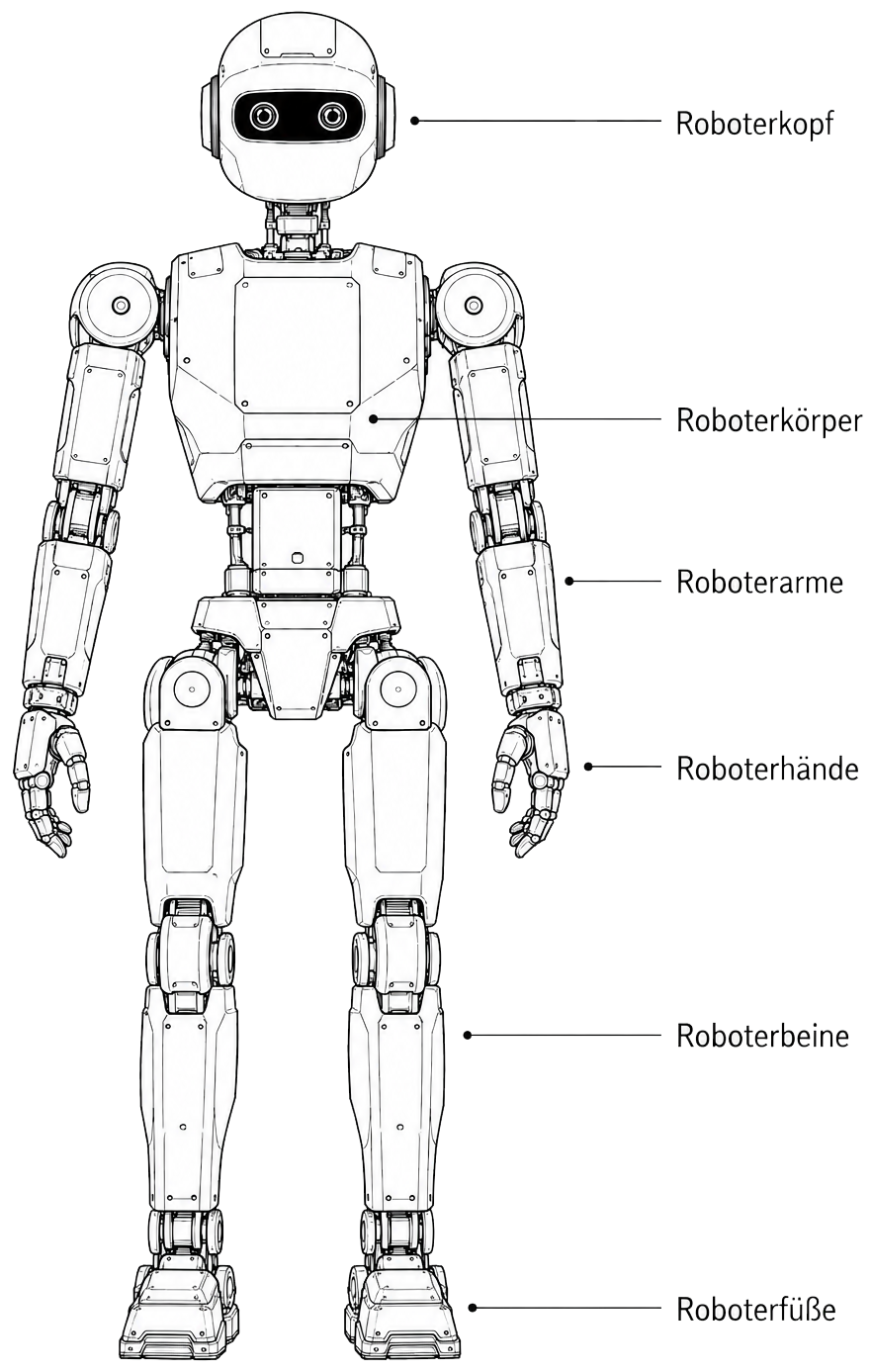
Von Ende Juli bis Ende August 2026 erschienen im Wirtschaftslexikon von Springer Gabler sechs Beiträge von Oliver Bendel, die wesentliche Teile eines Roboters beschreiben, nämlich Roboterkopf, Roboterkörper, Roboterarme, Roboterhände, Roboterbeine und Roboterfüße. Während manche Teile typisch für viele Roboter sind, sind andere typisch für spezielle Modelle, etwa humanoide Roboter oder soziale Roboter. Begriff um Begriff wird der Roboter aufgebaut. Dabei wird je nach Beitrag auf weitere Komponenten und Phänomene verwiesen, wie auf Robot Enhancement oder Physical AI. Für das Wirtschaftslexikon von Springer Gabler schreibt der Technikphilosoph seit 2012. Seitdem sind ca. 300 Beiträge in den Bereichen Ethik, Technik und Wirtschaft entstanden. Der Ton ist stets sachlich, manchmal poetisch, was eine neue Note in das Wirtschaftslexikon gebracht hat. Das Anliegen ist stets, etwas greifbar und deutlich zu machen. So heißt es in der Einführung zu Physical AI: „Es geht nicht nur darum, teilautonome oder autonome Maschinen mit Hilfe von KI aufzuwerten und zu erweitern, wie im Falle von Gesichtserkennung, Gestikerkennung und Emotionserkennung oder von Chatbots für soziale Roboter, sondern darum, für die KI gleichsam einen Körper zu suchen, in dem sie sich entfalten und beweisen kann.“ Die sechs „Keywords“-Bände von Oliver Bendel, ebenfalls bei Springer Gaber erschienen, enthalten sowohl ausgewählte Beiträge aus dem Wirtschaftslexikon als auch neue Beiträge.
Der Tages-Anzeiger befragte am 25. August 2026 den Technikphilosophen Oliver Bendel zu den World Humanoid Robot Games 2026 in Peking. Dort fanden 30 Sportwettkämpfe mit Allzweckrobotern (General-Purpose Robots) oder Robotern auf General-Purpose-Robots-Plattformen statt, die etwa für das Rennen oder den Hochsprung angepasst worden waren. Zudem wurden 21 Szenariowettkämpfe durchgeführt, in denen sich die humanoiden Roboter bei praktischen Aufgaben in Produktion, Logistik, Haushalt, Pflege etc. behaupten mussten. Oliver Bendel war fasziniert von den Bewegungen beim Kickboxen, wobei diese wohl bei den meisten Auftritten ferngesteuert waren. Noch mehr fasziniert war er von den Allzweckrobotern auf dem Tennisplatz. Diese hatten vielleicht die Fähigkeiten von kleinen Kindern, wie Oliver Bendel meinte, der früher selbst Tennis gespielt hatte, und eine ungewöhnliche Schlägerhaltung. Aber im Unterschied zu den anderen waren sie selbstständig unterwegs. Vor ein paar Jahren noch wäre ein solches Bespielen des Platzes undenkbar gewesen. Es ist erklärtes Ziel der Spiele, die unter anderem von chinesischen Medien- und Robotikorganisationen und der Pekinger Stadtregierung ausgerichtet werden, die Autonomie von Jahr zu Jahr zu erhöhen und sie in immer mehr Disziplinen durchzusetzen. Das Interview ist am 26. August in der Onlineausgabe unter dem Titel „Dieser Roboter ist eine Rakete auf zwei Beinen – nur bremsen kann er nicht“ erschienen, was ein Zitat des Technikphilosophen ist.
Die ersten Bände von „RE:VIEW – Wozu die Menschheit retten?“ wurden an die Beteiligten ausgeliefert. „Während die ESA-Raumsonde HERA im All Daten für die planetare Verteidigung sammelt, richtet sich ihr Blick mit diesem Buchprojekt zurück auf die Erde: Was ist der Mensch, was zerstört er, was erschafft er – und verdient er eine Zukunft? Planetare Abwehr – eine globale Herausforderung mit wenig Sichtbarkeit. Der erste Teil des Buches liefert die Hintergründe und die Geschichte der ersten sprechenden Raumsonde, die gegen alle Widerstände ins All startete. Die zentrale Frage, die Hera auf ihrer Mission beantworten soll: Können der Erde gefährlich nahekommende Weltraumkörper durch gezielte Sondeneinschläge von ihrem Kollisionskurs mit unserem Heimatplanenten abgelenkt werden? Collagierte Illustrationen und Fotografien verbinden Fakten mit Emotionen und machen Wissenschaft erlebbar.“ (Informationstext des Verlags) „Im Anschluss entsteht aus der Perspektive von HERA ein vielstimmiges Porträt unserer Spezies mit Beiträgen und Gesprächen des KI-Companions mit besonderen Persönlichkeiten aus Wissenschaft, Kunst, Kultur und Gesellschaft.“ (Informationstext des Verlags) Mit dabei sind unter anderem der Queen-Musiker und Astrophysiker Brian May, der ehemalige kanadische Astronaut Chris Hadfield, die erste Weltraumtouristin Anousheh Ansari, der „Interstellar“-Visionär Paul Franklin, die PETA-Gründerin Ingrid Newkirk, der Ex-Gitarrist von Guns N‘ Roses Ron „Bumblefoot“ Thal, der Science-Fiction-Autor Andreas Eschbach, der Künstler Jonathan Meese und der Technikphilosoph und Maschinenethiker Oliver Bendel, der 2025 das Buch „300 Keywords Weltraum“ veröffentlicht hat. „So wird aus einer Mission ein visuell kraftvolles Buchobjekt über Menschheit, Technik, Verantwortung und Hoffnung.“ (Informationstext des Verlags) Das Coffee-Table-Buch mit seinen 400 Seiten und zahlreichen Bildern ist vorbestellbar und ab Mitte oder Ende September 2026 verfügbar.
Abb.: Auch Brian May hat beigetragen (Bild: We Mind Publishing)
„Gut 90 Gäste kamen in den Genuss eines hervorragenden Vortrags zum Thema ‚Roboter‘ mit Schwerpunkt Roboter in der Pflege.“ So lautet der Teaser des Artikels „Professor Oliver Bendel – der Schweizer Roboter-Flüsterer!“, der in der August-Ausgabe von TOP HINWIL erschienen ist. Seit 1994 bieten die Aktiven Seniorinnen und Senioren Hinwil (ASSH) monatlich einen Vortrag an. Zu den Referenten gehörten Claude Nicollier, Astronaut und Wissenschaftler, Ulrich Tilgner, Nahostkorrespondent, Franz Hohler, Schriftsteller, und Erich von Däniken, Bestsellerautor. Am 17. Juni 2026 war Oliver Bendel zu Gast. Er beleuchtete die Rolle sozialer Roboter, gegenwärtiger Assistenzroboter und künftiger Allzweckroboter in der Pflege. Anhand zahlreicher aktueller Beispiele aus Forschung und Praxis zeigte er, wie Robotersysteme bereits heute Pflegekräfte unterstützen, Pflegebedürftige aktivieren und bei alltäglichen Aufgaben helfen können. Dabei ging es sowohl um soziale Interaktion und Unterhaltung als auch um konkrete Assistenzleistungen wie Handreichungen, Mobilisierung oder Unterstützung im Pflegealltag. Darüber hinaus widmete sich der Vortrag den ethischen und gesellschaftlichen Fragen, die mit dem Einsatz von KI-gestützten Robotern verbunden sind. Danach fand eine rege Diskussion statt. Das Lokalblatt wird in einigen Tagen über www.top-hinwil.ch/top-archiv/ als PDF zur Verfügung gestellt.
The Robophilosophy 2026 conference took place from August 11–14, 2026, at University College Dublin (UCD) in Dublin, Ireland. Held under the theme „Connected Futures – Nature, Robots, and Society“, the seventh installment of the international conference series brought together researchers from a wide range of disciplines to explore how robotics and artificial intelligence are transforming human societies and the natural world. On the first day of the conference, Katharina Kühne presented the paper „No Red Romance for Robots? Investigating the Red Attraction Effect in Humanlike Robots“, authored by Emma Luisa M. Waller, Diana P. Ebenburger, Oliver Bendel, Martin Fischer, and herself. The study investigates whether the red-attraction effect known from research on human perception also occurs when people evaluate humanlike robots. From the abstract: „The color red has been shown to positively influence ratings of attractiveness and willingness to spend money (e.g., on a date), while having no effect on other perceptions, such as likeability. In an online study, we aimed to conceptually replicate the red-attraction effect using humanoid robots as stimuli. Forty-four heterosexual female participants evaluated 16 images of medium and highly humanlike robots on attractiveness, likeability, trustworthiness, and willingness to spend money to rent the robot. We found no evidence of a red-attraction effect. Female-looking robots received higher ratings overall. These findings have implications for robot design and suggest that basic cues, such as color, may not operate in the same way for robots. Instead, humanoid robots may constitute a distinct category but still be perceived as social agents.“ The proceedings, containing all conference papers, are expected to become available in late 2026.
Robophilosophy 2026 kicked off on August 11, 2026, at University College Dublin (UCD) in Dublin, Ireland. Held under the theme „Connected Futures – Nature, Robots, and Society“, the conference runs from August 11–14 and brings together researchers from a wide range of disciplines to explore how robotics and artificial intelligence are transforming human societies and the natural world. On the first day, Prof. Dr. Oliver Bendel from the FHNW School of Business presented his paper „Towards a Discipline of Animal-Machine Interaction: Ethical and Design Challenges of Machines in Animal Habitats“ in the session „Environmental Robotics and Society“. From the abstract: „As autonomous and semi-autonomous machines such as robots and drones increasingly enter animal habitats, new ethical and conceptual challenges emerge. This article proposes animal-machine interaction (AMI) as a distinct discipline concerned with the design and governance of technologies operating in relation to animals. After clarifying core concepts and delineating AMI from related fields, the article highlights the role of machine ethics in developing animal-friendly systems. Selected application examples illustrate how machines can reduce negative impacts on animals and, in some cases, support animal survival through animal-friendly design. The ethical discussion addresses both opportunities and risks of technological intervention in animal habitats. It is becoming clear that AMI is an increasingly important field of research, but one that must remain open to critical reflection and reorientation.“ The proceedings, containing all conference papers, will be available in late 2026. For those who don’t want to wait: Oliver Bendel recently published a short book on animal-machine interaction with Springer.